
COPD and Pulmonary Health: What a Natural, Whole-Person Approach Looks Like
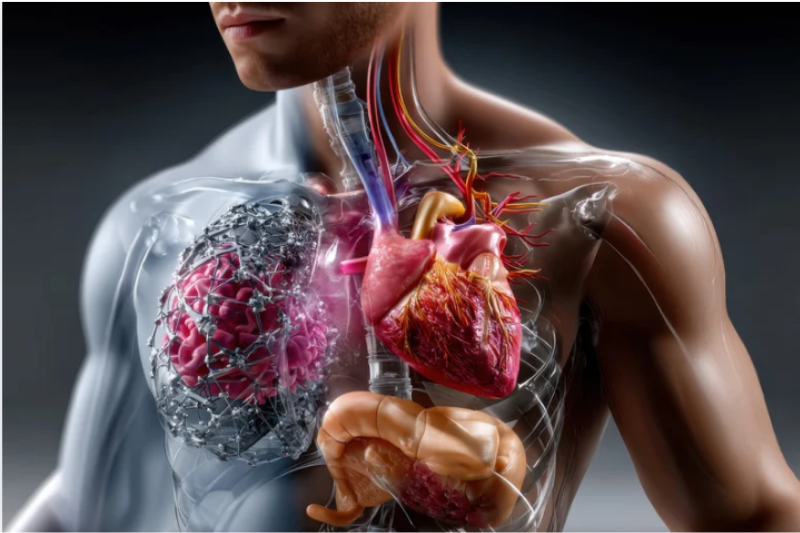
Chronic respiratory conditions can influence nearly every aspect of daily life, affecting breathing, energy levels, physical activity, and overall well-being. Among these conditions, Chronic Obstructive Pulmonary Disease (COPD) is one of the most common long-term lung disorders and often develops gradually over many years. Because COPD typically progresses slowly, many individuals may not recognize the early warning signs until breathing becomes noticeably more difficult.
Conventional treatments for COPD often include inhalers, medications, pulmonary rehabilitation, and oxygen therapy. These therapies play an important role in helping manage symptoms and support lung function. However, many individuals also explore integrative strategies that address respiratory health from a broader perspective.
A natural, whole-person approach considers the interconnected systems that influence pulmonary health, including inflammation, immune function, environmental exposures, nutrition, and lifestyle patterns. By addressing these factors, integrative medicine aims to support overall respiratory wellness while complementing conventional medical care.
Understanding COPD
What Is COPD?
Chronic Obstructive Pulmonary Disease (COPD) is a long-term lung condition characterized by persistent airflow limitation that makes breathing progressively more difficult. The disease occurs when the airways and lung tissues become damaged or inflamed, restricting the flow of air in and out of the lungs.
Several physiological processes contribute to COPD, including:
- Progressive narrowing of the airways, which limits airflow
- Damage to lung tissue, particularly the delicate air sacs responsible for oxygen exchange
- Chronic inflammation within the respiratory system, which can further impair breathing
Over time, these changes may reduce the lungs’ ability to efficiently move oxygen into the bloodstream and remove carbon dioxide from the body. As a result, individuals with COPD may experience increasing breathing difficulties, especially during physical activity.
Types of COPD
COPD is commonly associated with two primary conditions that often occur together:
- Chronic bronchitis, which involves long-term inflammation of the bronchial tubes and increased mucus production that can obstruct airflow
- Emphysema, which involves damage to the alveoli (tiny air sacs in the lungs) that reduces the lungs’ ability to exchange oxygen efficiently
Risk Factors for COPD
Several environmental and biological factors may increase the likelihood of developing COPD. Long-term exposure to lung irritants is one of the most significant contributors to respiratory damage.
Common risk factors include:
- Smoking or exposure to secondhand smoke, which remains the most common cause of COPD
- Long-term exposure to air pollution, including particulate matter and environmental toxins
- Occupational exposure to dust, chemicals, or fumes, often seen in certain industrial or construction settings
- Genetic predispositions, such as alpha-1 antitrypsin deficiency
- Recurrent respiratory infections, particularly during childhood
How COPD Affects Overall Health
Impact on Oxygen Exchange
The lungs play a critical role in delivering oxygen to the body and removing carbon dioxide. In individuals with COPD, damage to the airways and alveoli may interfere with this process, making oxygen exchange less efficient.
As lung function declines, the body may receive less oxygen than it needs for optimal cellular function. Reduced oxygen delivery can affect multiple organs and tissues throughout the body.
Possible effects of impaired oxygen exchange include:
- Reduced energy levels and persistent fatigue
- Difficulty performing physical activities
- Increased strain on the heart and circulatory system
Systemic Inflammation and COPD
Although COPD primarily affects the lungs, it can also contribute to systemic inflammation throughout the body. Chronic inflammatory responses within the respiratory system may influence other physiological processes and organ systems.
Potential systemic effects of chronic lung inflammation may include:
- Fatigue, related to reduced oxygen delivery and inflammatory signaling
- Muscle weakness, which may develop with reduced physical activity
- Increased cardiovascular risk, as inflammation may affect blood vessels and heart function
- Metabolic changes, including alterations in energy metabolism
The Emotional and Lifestyle Impact of COPD
Living with chronic respiratory symptoms can affect both physical and emotional well-being. Individuals with COPD may need to adjust their daily routines to accommodate breathing limitations and energy fluctuations.
Lifestyle challenges associated with COPD may include:
- Reduced physical activity, often due to breathlessness during exertion
- Sleep disruption, which may occur when breathing difficulties worsen at night
- Emotional stress or anxiety, particularly when experiencing episodes of breathlessness
- Changes in social activities and daily routines, as fatigue and breathing limitations affect mobility
Natural Strategies That May Support Pulmonary Health
Anti-Inflammatory Nutrition
Diet can play an important role in regulating inflammation throughout the body, including in the respiratory system. Nutrient-rich foods provide antioxidants and anti-inflammatory compounds that may help support lung tissues and overall immune function.
Dietary strategies that may support pulmonary health include:
- Emphasizing whole, nutrient-dense foods, including vegetables, fruits, lean proteins, and healthy fats
- Increasing intake of antioxidant-rich fruits and vegetables, which help protect cells from oxidative stress
- Including healthy fats, such as omega-3 fatty acids from fish, nuts, and seeds
- Reducing ultra-processed foods and refined sugars, which may contribute to inflammatory responses
Nutrients That Support Lung Health
Certain nutrients may play supportive roles in maintaining respiratory health and immune balance. While nutritional needs vary from person to person, several nutrients are often associated with respiratory wellness.
Examples include:
- Vitamin C, which provides antioxidant protection for lung tissues
- Vitamin D, which supports immune regulation and inflammatory balance
- Magnesium, which contributes to respiratory muscle relaxation and function
- Omega-3 fatty acids, known for their anti-inflammatory properties
- Glutathione, a powerful antioxidant involved in cellular protection and detoxification
Botanical Medicine for Respiratory Support
Herbal medicine has been used for centuries in traditional systems of care to support respiratory comfort and lung health. Many botanicals contain compounds that may help soothe airway tissues and support immune balance.
Some herbs commonly used in integrative respiratory support include:
- Mullein, traditionally used to support respiratory comfort
- Licorice root, known for its soothing properties and potential anti-inflammatory effects
- Thyme, which has been used in herbal preparations for respiratory health
- Ivy leaf, sometimes used to support mucus clearance
- Nettle, which may help support balanced immune responses
Potential benefits of certain respiratory botanicals may include:
- Supporting airway comfort
- Promoting healthy mucus clearance
- Supporting immune balance
Lifestyle Practices That May Support Lung Function
Breathing Techniques and Pulmonary Rehabilitation
Breathing exercises may help improve respiratory efficiency and support lung function in individuals with chronic respiratory conditions. These techniques are often incorporated into pulmonary rehabilitation programs designed to help patients manage breathlessness and improve endurance.
Examples of breathing techniques include:
- Diaphragmatic breathing, which encourages deeper breathing using the diaphragm
- Pursed-lip breathing, which may help slow breathing and improve airflow
- Controlled breathing techniques, commonly taught during pulmonary rehabilitation programs
Physical Activity and Lung Capacity
Regular physical activity can support cardiovascular health, muscle strength, and respiratory endurance. While exercise programs should always be adapted to individual abilities, appropriate movement may help improve lung capacity and overall energy levels.
Activities that may support respiratory health include:
- Walking, which provides gentle aerobic conditioning
- Swimming, which may encourage controlled breathing patterns
- Gentle aerobic conditioning, such as stationary cycling or light cardio exercise
- Supervised pulmonary rehabilitation programs, which provide structured respiratory training and support
Environmental Awareness
Reducing exposure to respiratory irritants can be an important step in supporting pulmonary health. Environmental factors such as air quality, chemical exposure, and smoke can significantly affect lung function.
Helpful environmental strategies may include:
- Improving indoor air quality, particularly in living and sleeping environments
- Using HEPA filtration systems to reduce airborne particles
- Avoiding tobacco smoke exposure, including secondhand smoke
- Reducing exposure to environmental pollutants and chemicals, including harsh cleaning products or fragrances
Supporting Lung Health Through a Whole-Person Approach
Respiratory health is influenced by many interconnected factors that extend beyond the lungs themselves. Chronic inflammation, environmental exposures, nutrition, immune balance, and lifestyle habits all play important roles in shaping pulmonary function and overall well-being.
A whole-person approach to COPD care considers how these elements interact within the body. By examining the broader contributors to respiratory symptoms, integrative care seeks to support the body’s natural ability to maintain balance and resilience.
Through a combination of medical guidance, lifestyle support, and personalized care strategies, individuals living with COPD may be better supported in maintaining comfort, mobility, and quality of life while managing their respiratory health.
Schedule a Consultation with Dr. Wafaa Matti
📍 Stengler Center for Integrative Medicine
324 Encinitas Blvd
Encinitas, CA 92024
📞 Phone: 760-274-2377
🌐 Website: https://drwafaamatti.com
📧 Email: clinic@drwafaamatti.com
Connect on Social Media
- Facebook: https://www.facebook.com/profile.php?id=100074112234710
- Instagram: https://www.instagram.com/drwafaamatti/
- LinkedIn: https://www.linkedin.com/in/dr-wafaa-matti-283300370/
- X (Twitter): https://x.com/drwafaamatti
- YouTube: https://www.youtube.com/channel/UCQWf
.svg)
Explore Our Latest Insights
Discover tips for better digestive health.


Ready to Take the Next Step?
Reach out today to schedule your visit or ask a question—Dr. Wafaa’s team is here to support your wellness journey, both in person and online.